
A few weeks ago I was invited to meet with a group of prominent members of the community, both to network and to introduce the Georgetown Neighborhood Food Project. One attendee worked for a large company I was somewhat familiar with, but I learned that the company was composed of multiple franchises. He was aware that public opinion of his location reflects on the public impression of franchisees everywhere, and vice versa.
It made sense to me! Since I didn’t know about the franchise structure, I could easily have heard an opinion of the company that affected my perception of his location, even if it had been a different store.
When the meeting ended, a few people came up to ask me questions. One of them was this business owner I had met, and he asked me if I thought or noticed that people going to pantries for help, actually don’t need it. That perhaps there were many people taking advantage of the charity.
I reminded him of our earlier conversation – while I’m sure there are some who do take advantage of the charity, the majority of those seeking food assistance or other help truly need it. Unfortunately, I reminded him, it’s those few who reflect on the whole, much like other franchise locations reflect on his own business.
The Objection
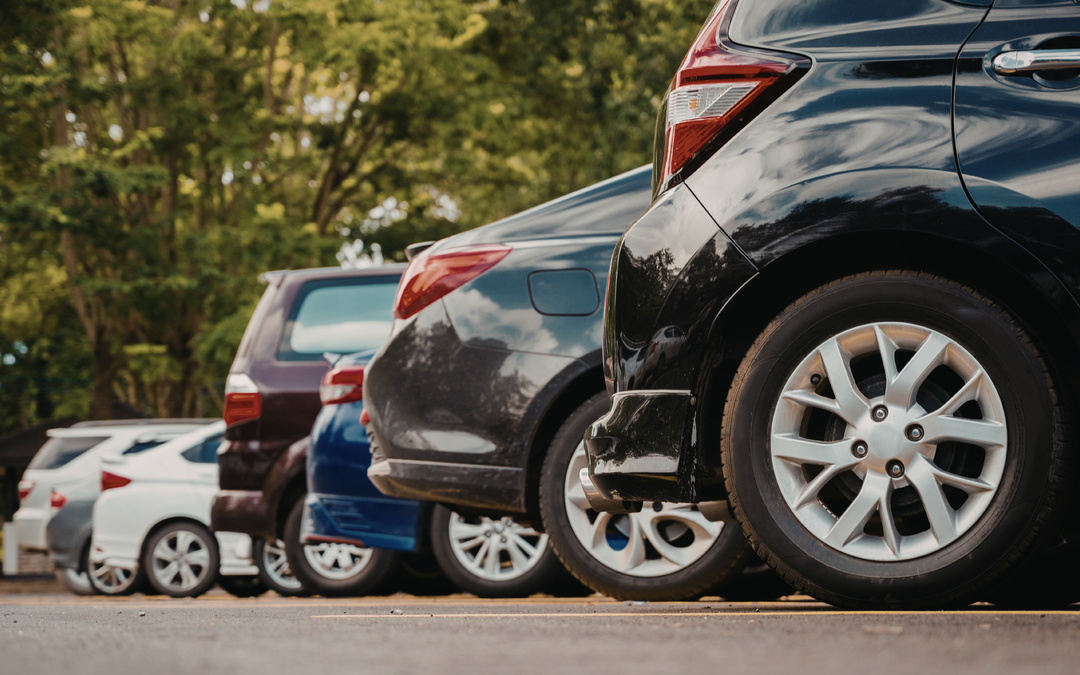
If you’ve spent time around a food pantry, maybe you’ve noticed this yourself, if not it’s likely you have heard some version of it: “I saw someone pull up in a really nice car — a Mercedes, a new truck, whatever — to pick up food. There’s no way they need free food!”
It’s a natural reaction. It’s also based on an assumption that doesn’t hold up once you look at how quickly a household’s financial footing can change — and how little a car in the driveway actually tells you about what’s happening at the kitchen table.
Owning a Nice Car ≠ Having Money Right Now
A vehicle isn’t a snapshot of someone’s current finances — it’s a snapshot of a decision they made months or years ago, often before things changed.
Sunk costs don’t disappear when income does. A car lease or loan signed 2-5+ years ago doesn’t get cheaper just because someone’s hours got cut or a second income disappeared. Selling the car often isn’t realistic either — they may still owe more than it’s worth, or they need it to get to work, especially in a county as spread out as Williamson County.
In other words: the car in the parking lot tells you about a choice made – and financial ability – in the past. It tells you almost nothing about the bank account today.
One Bad Month Can Undo Years of Stability
Food insecurity isn’t only, or even mostly, about people who’ve always struggled financially. Often, it’s about people who were doing fine… until they weren’t.
- A car accident that leads to missed work and a repair bill
- A surprise medical diagnosis or ER visit
- A layoff, reduced hours, or a seasonal job ending early
- A home repair, a pet emergency, or a family member’s crisis states that eat through savings in a single event
As many as 37% of Americans could not afford an unexpected $400 expense without borrowing money or selling something.
For a lot of households, there isn’t a large cushion sitting behind the nice car or the well-kept house. There’s just enough — until there isn’t.
Why Food Pantries Don’t Judge on Appearances
Most food pantries intentionally avoid judging need by appearance, and for good reason:
- Pride keeps people away long after they actually need help. Someone who “looks like they don’t need it” may have delayed asking for months, precisely because they were embarrassed to be seen needing it.
- Verifying “worthiness” by appearance punishes exactly the people the safety net is supposed to catch — the newly unemployed, the suddenly widowed, the family mid-medical-crisis — who haven’t had time to look the part of “in need” yet.
- Shame is one of the biggest barriers to people getting help at all. Every time someone judges a stranger’s car in a pantry parking lot, it makes the next person in line — who’s been putting off asking for help for weeks — a little less likely to walk through the door.
Food insecurity can hit any household, at almost any income level, with very little warning. The most helpful thing any of us can do — as donors, coordinators, or just neighbors — is assume good faith, keep the shelves stocked, and let people ask for help without having to earn it first.